HomeStore

Printable February Science Living vs. Nonliving

Printable February Science Living vs. Nonliving

File Type: Digital PDF 
Page Count: 14 pages 

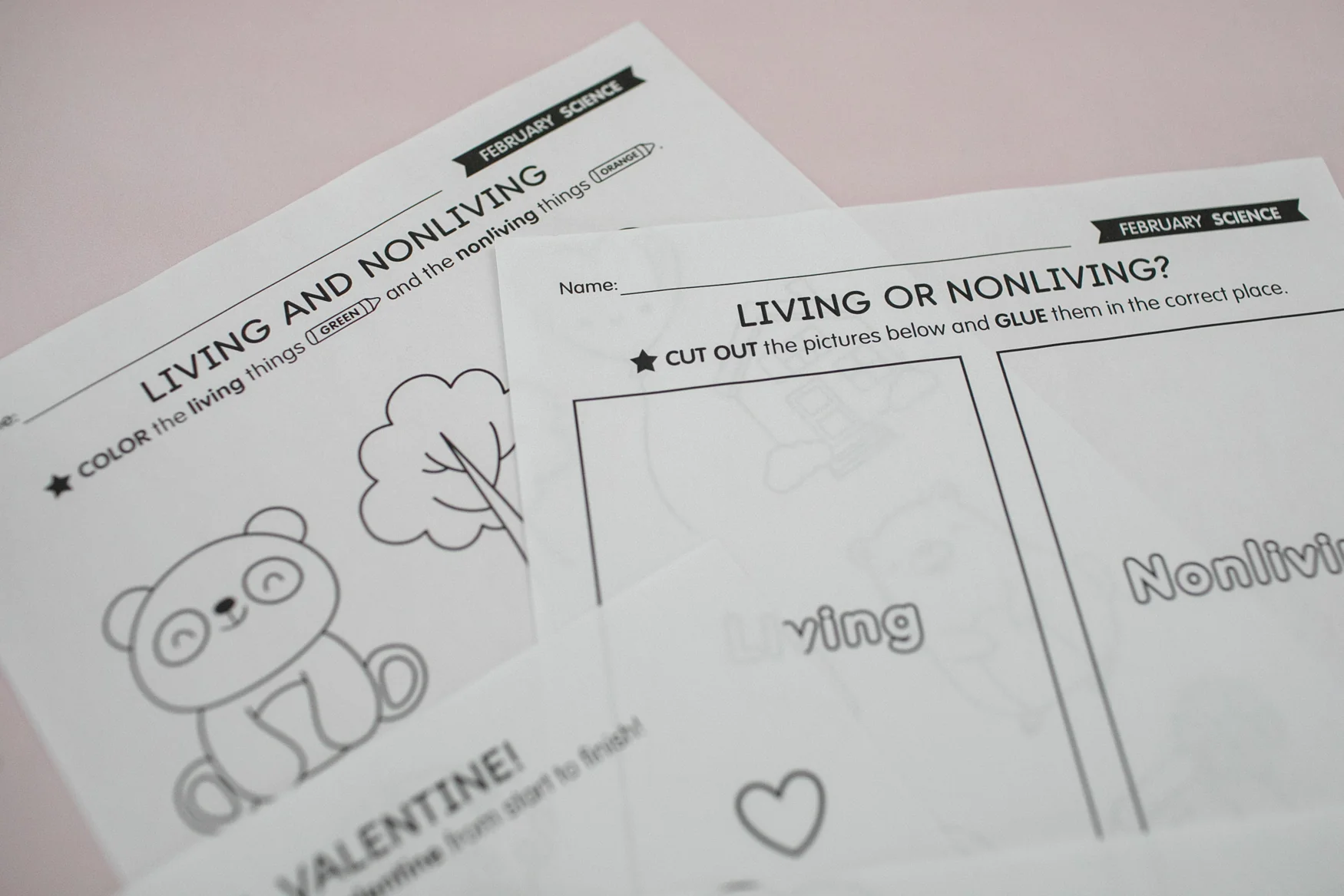
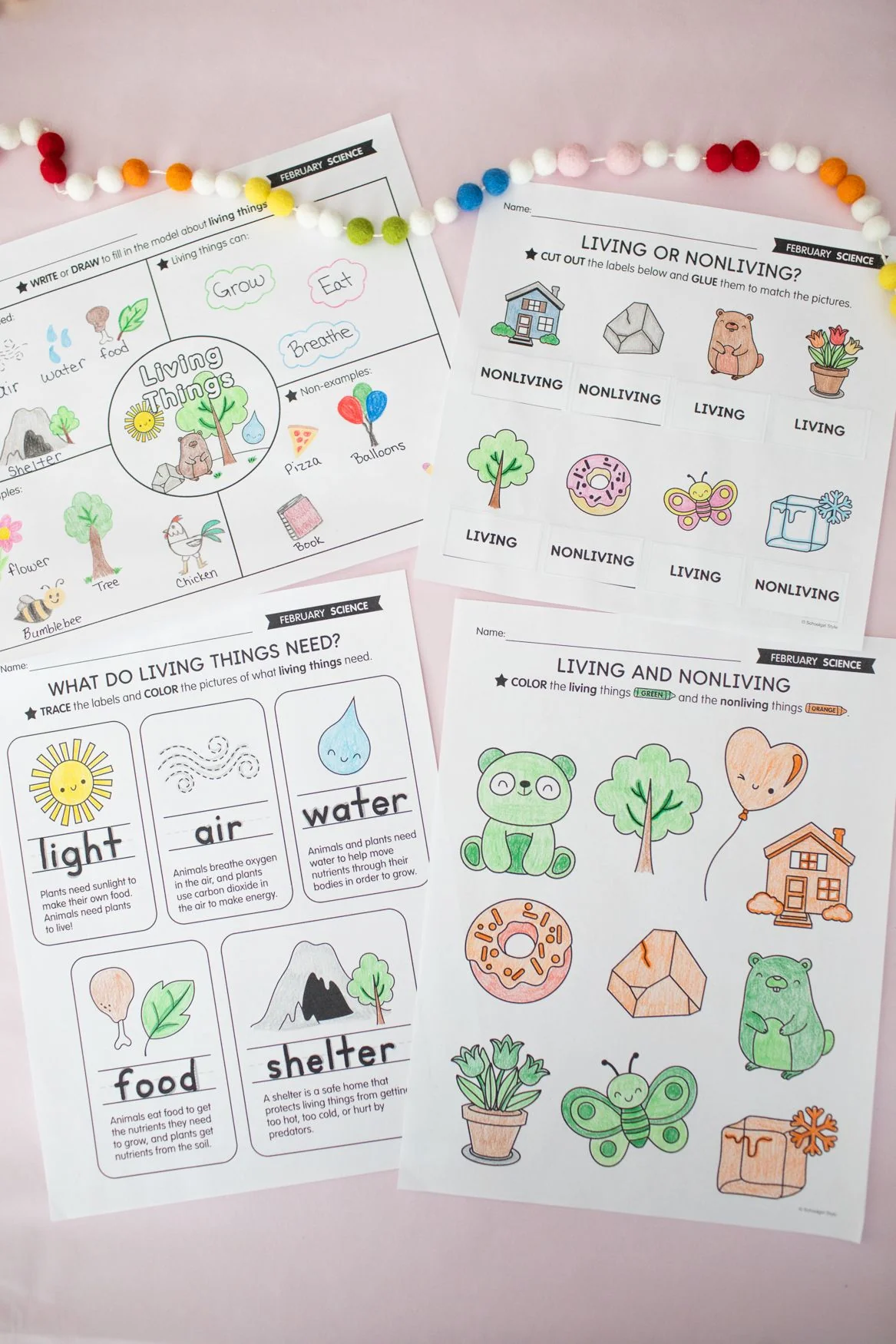
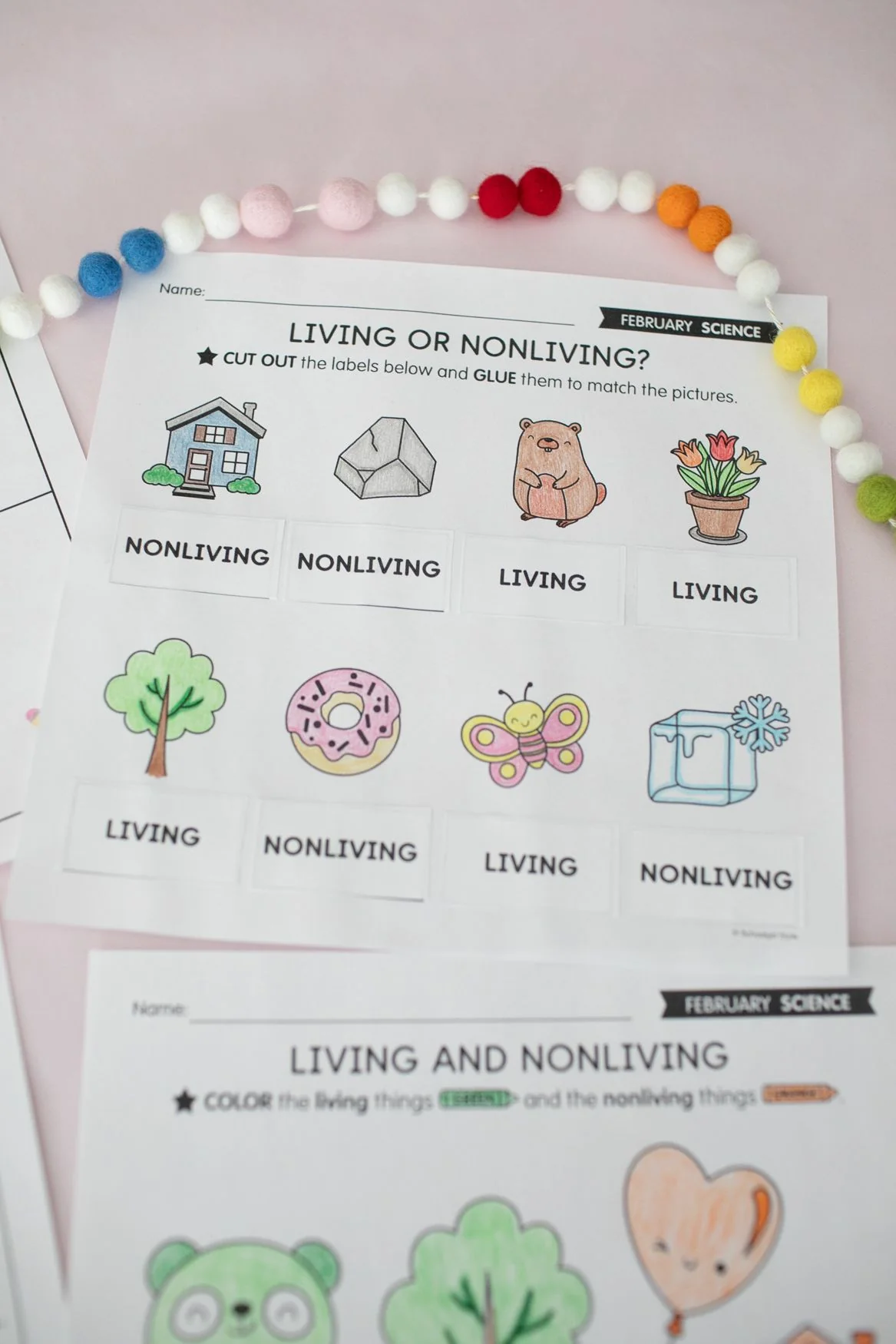
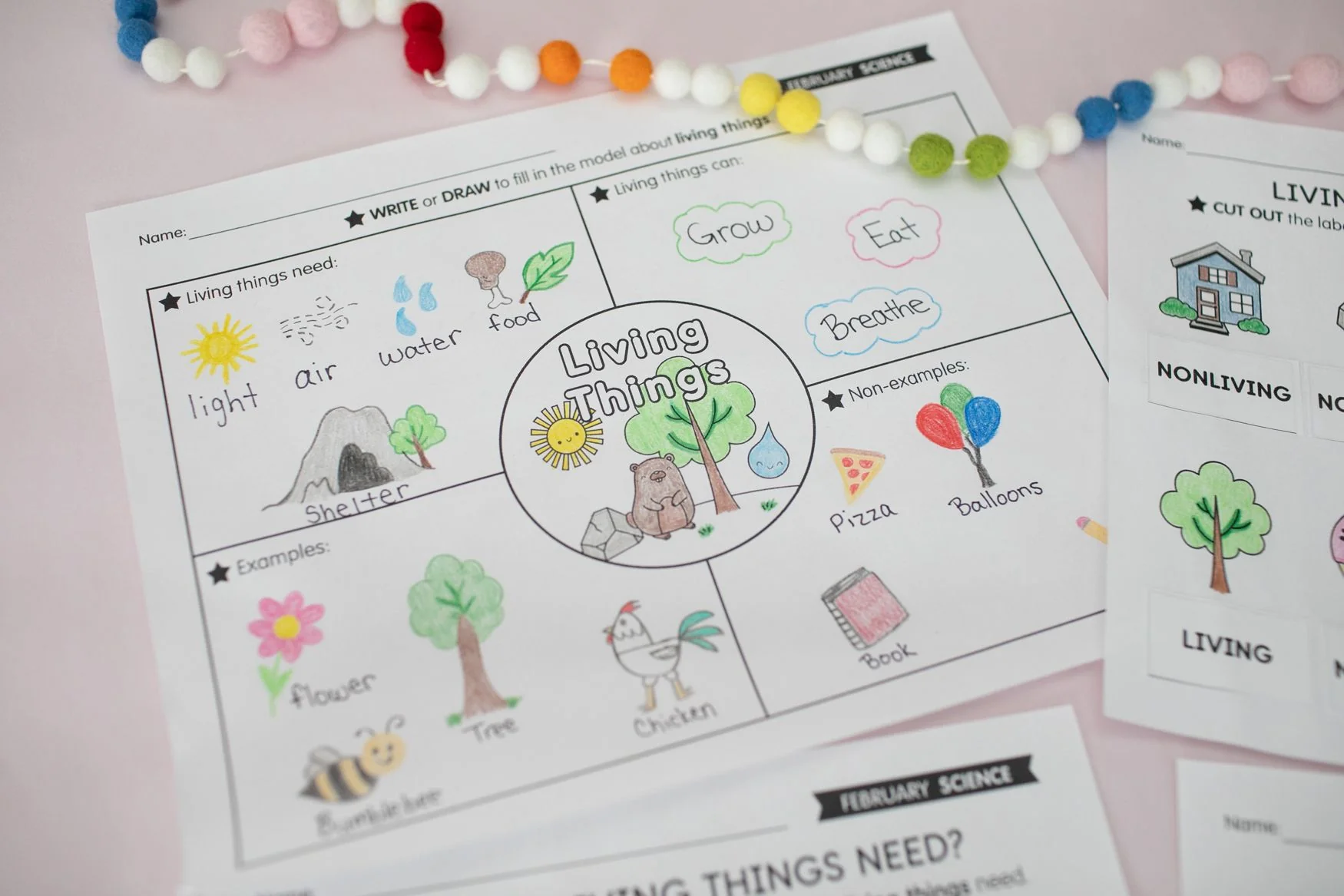
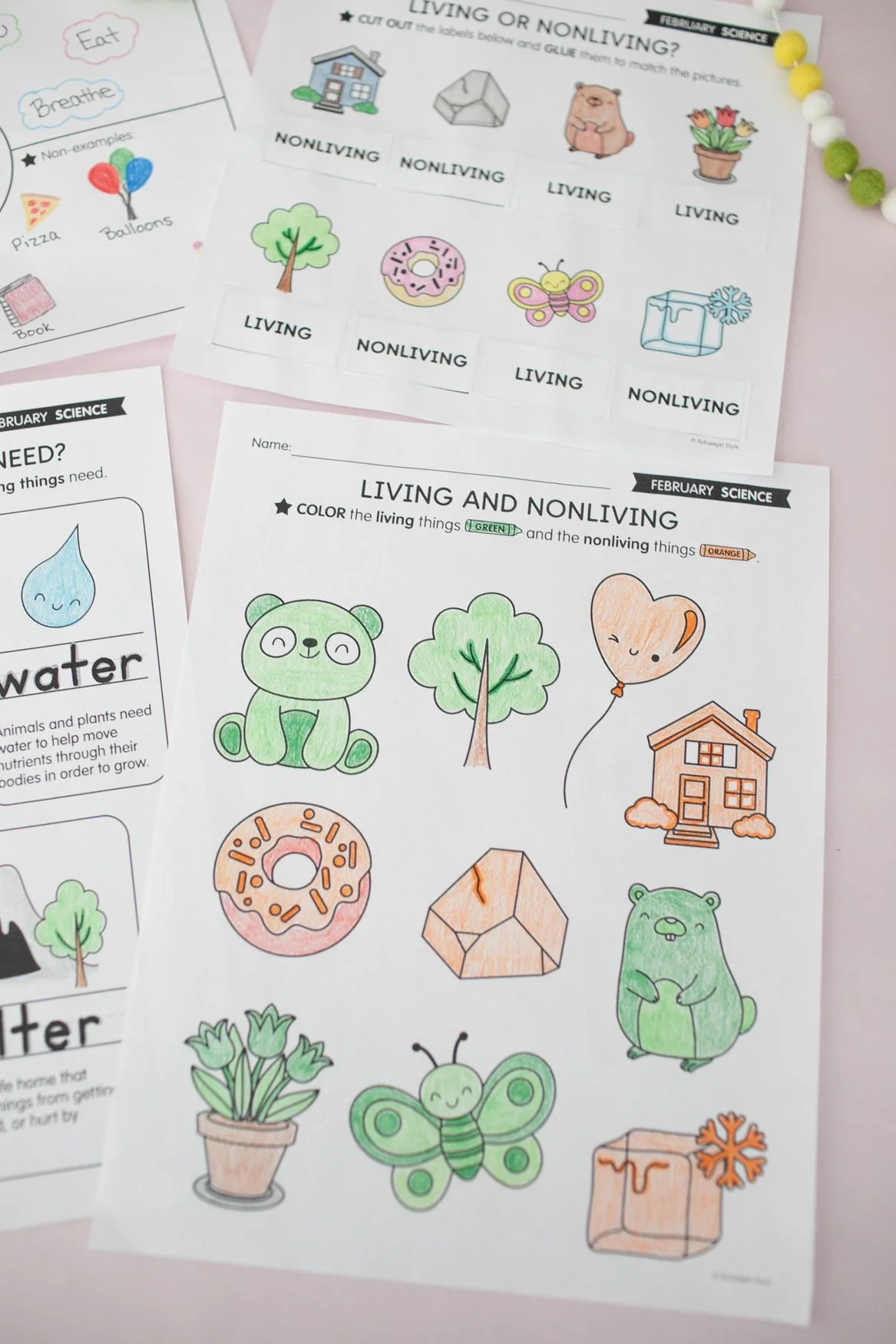
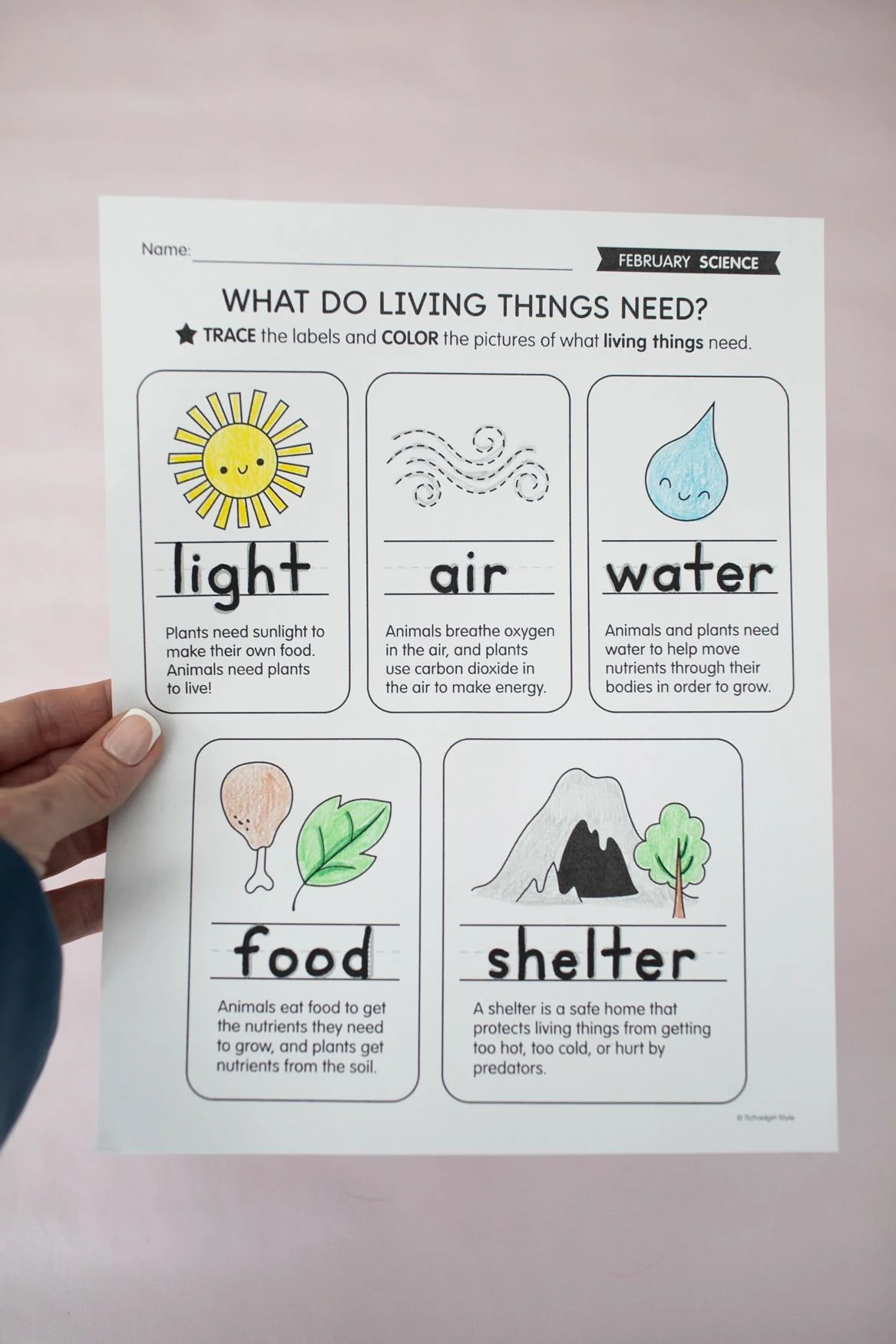
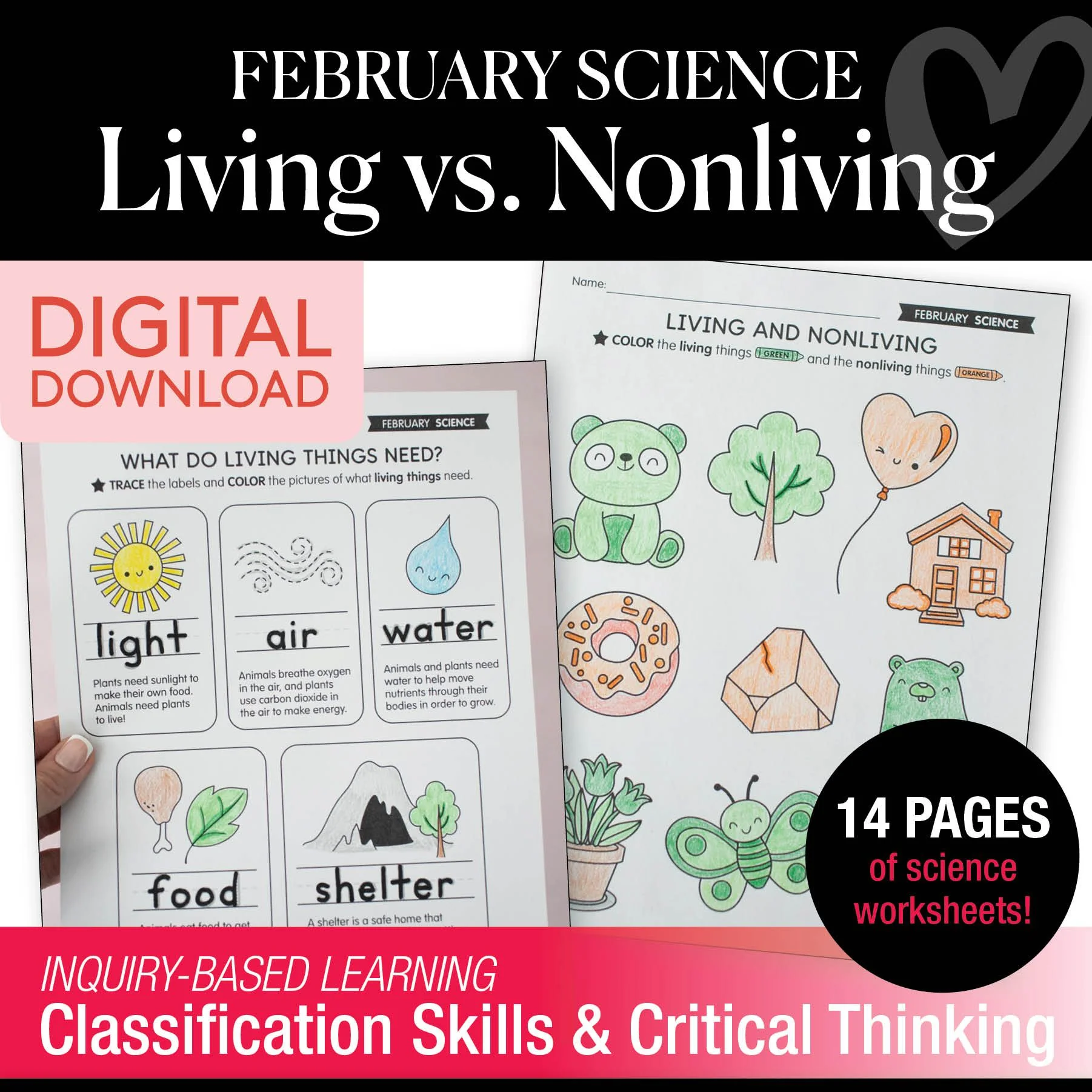
Make science time simple, meaningful, and hands-on with our Printable February Science: Living vs. Nonliving pack! This no-prep resource helps students explore an essential early science concept—sorting things into living vs. nonliving—through engaging activities that feel fun and approachable. With a mix of coloring, cut-and-glue practice, and writing pages, students will build science vocabulary, strengthen classification skills, and explain their thinking while staying fully engaged. Perfect for science centers, morning work, small groups, or sub plans—just print and go! 

Skills This Product Targets:

  • Understanding living vs. nonliving concepts

  • Observation and classification (sorting + categorizing)

  • Science vocabulary and content knowledge building

  • Critical thinking and explaining reasoning

  • Fine motor skills (cutting, gluing, coloring)

  • Writing practice through science responses
$1.75

Original: $5.00

-65%
Printable February Science Living vs. Nonliving

$5.00

$1.75
Product image 1
Product image 2
Product image 3
Product image 4
Product image 5
Product image 6
Product image 7

Description

File Type: Digital PDF 
Page Count: 14 pages 

Make science time simple, meaningful, and hands-on with our Printable February Science: Living vs. Nonliving pack! This no-prep resource helps students explore an essential early science concept—sorting things into living vs. nonliving—through engaging activities that feel fun and approachable. With a mix of coloring, cut-and-glue practice, and writing pages, students will build science vocabulary, strengthen classification skills, and explain their thinking while staying fully engaged. Perfect for science centers, morning work, small groups, or sub plans—just print and go! 

Skills This Product Targets:

  • Understanding living vs. nonliving concepts

  • Observation and classification (sorting + categorizing)

  • Science vocabulary and content knowledge building

  • Critical thinking and explaining reasoning

  • Fine motor skills (cutting, gluing, coloring)

  • Writing practice through science responses